FOREHAND RACKET PATH
Allow the racket head to drop naturally below ball height before releasing upward through contact. “Tap the Dog” is Jimmy’s cue for finding that relaxed drop without forcing an artificial loop.
Read the forehand guide →
A movement-first tennis coaching philosophy connecting racket path, contact, recovery, positioning, and mental reset.
Technique matters most when it survives movement, decision-making, and pressure. Training connects the racket path to contact, recovery, positioning, and the next choice.
Prepare the body and racket for a clear strike zone.
Finish balanced and move with purpose toward the next ball.
Use a simple between-point routine to return attention to the present.
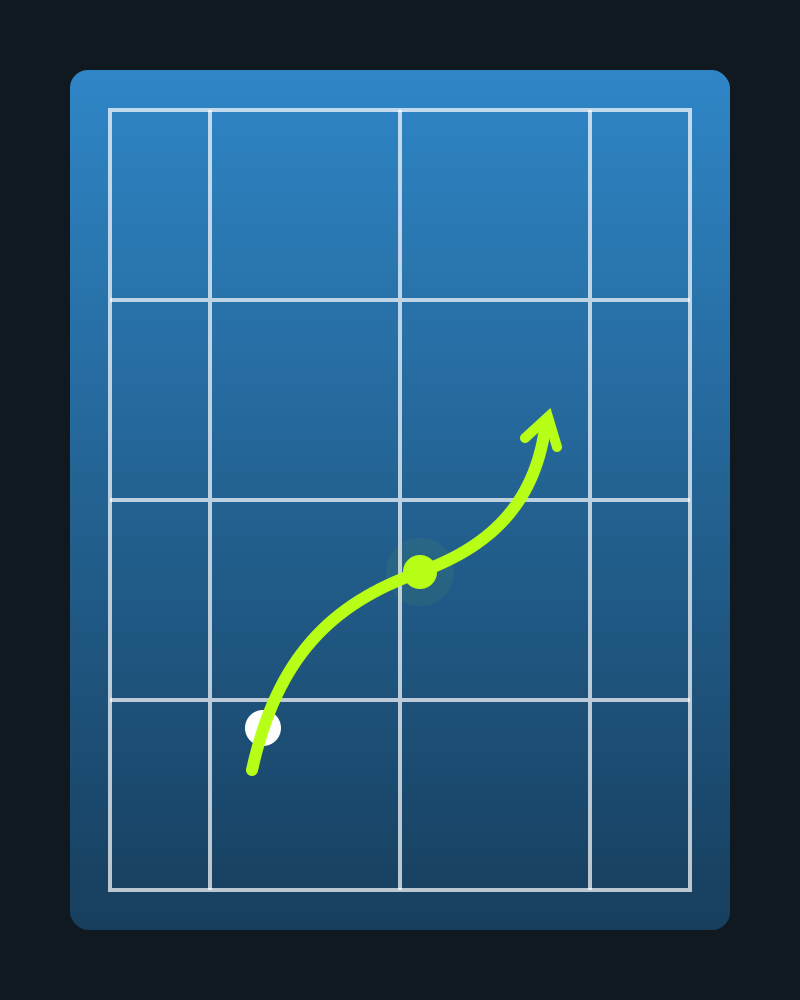
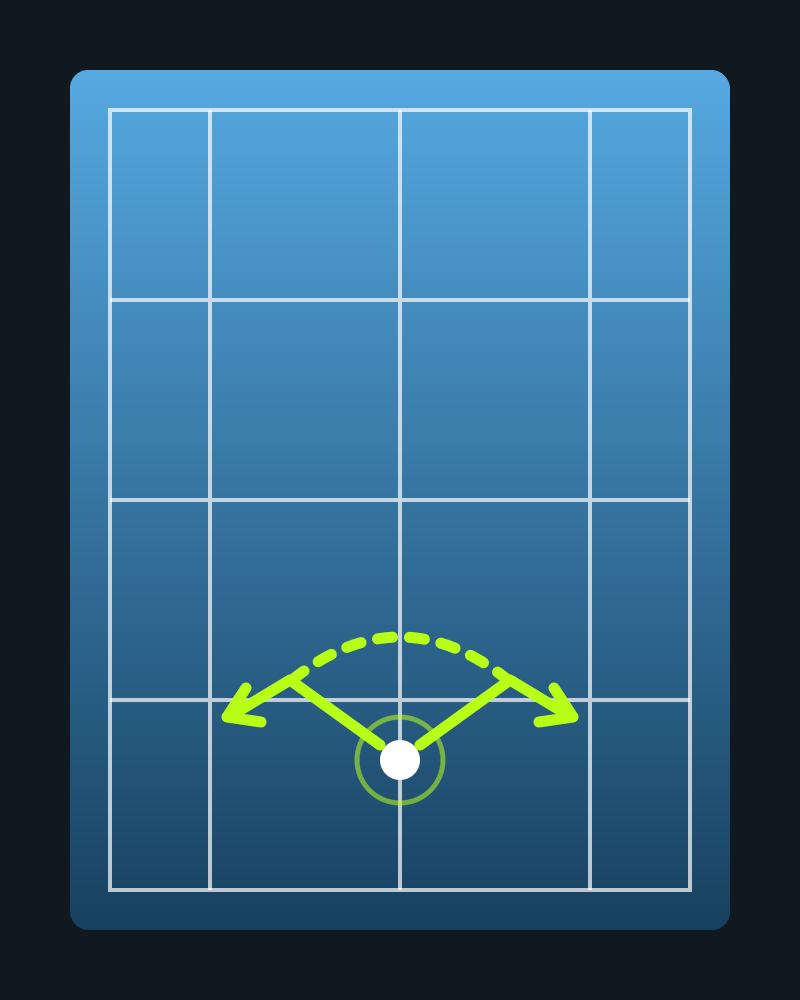
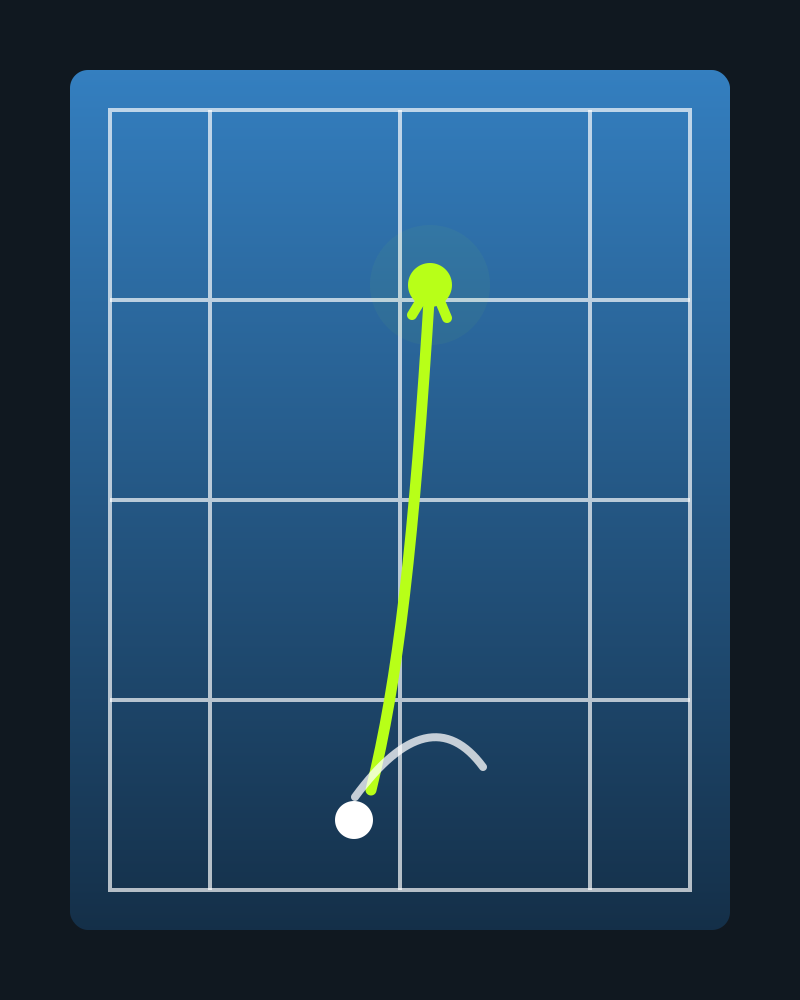
Allow the racket head to drop naturally below ball height before releasing upward through contact. “Tap the Dog” is Jimmy’s cue for finding that relaxed drop without forcing an artificial loop.
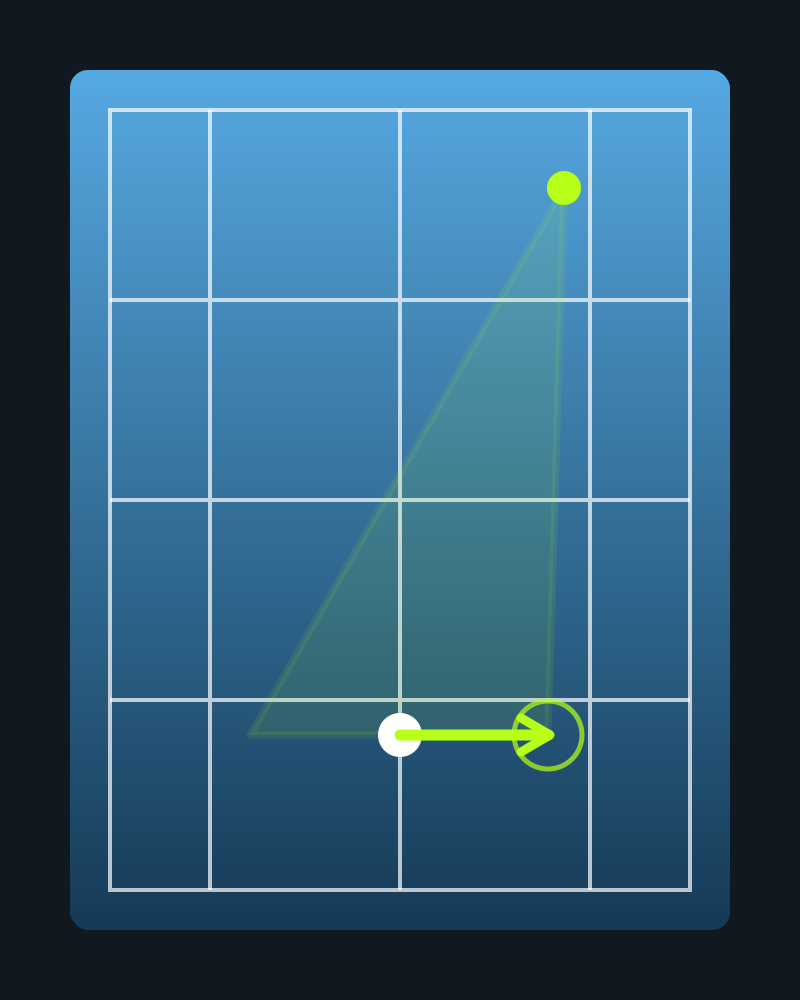
Read the forehand guide →Time the split step as the opponent makes contact, move from a balanced base, and recover with purpose. The finish of one shot should prepare the body to read the next ball.
Lift the toss slightly inside the baseline—around one o’clock for a right-handed server—so the body can extend upward toward a clear contact apex.
Recover in relationship to the opponent’s available angles. After each shot, move toward a position that reduces the open court instead of automatically returning to a painted center mark.
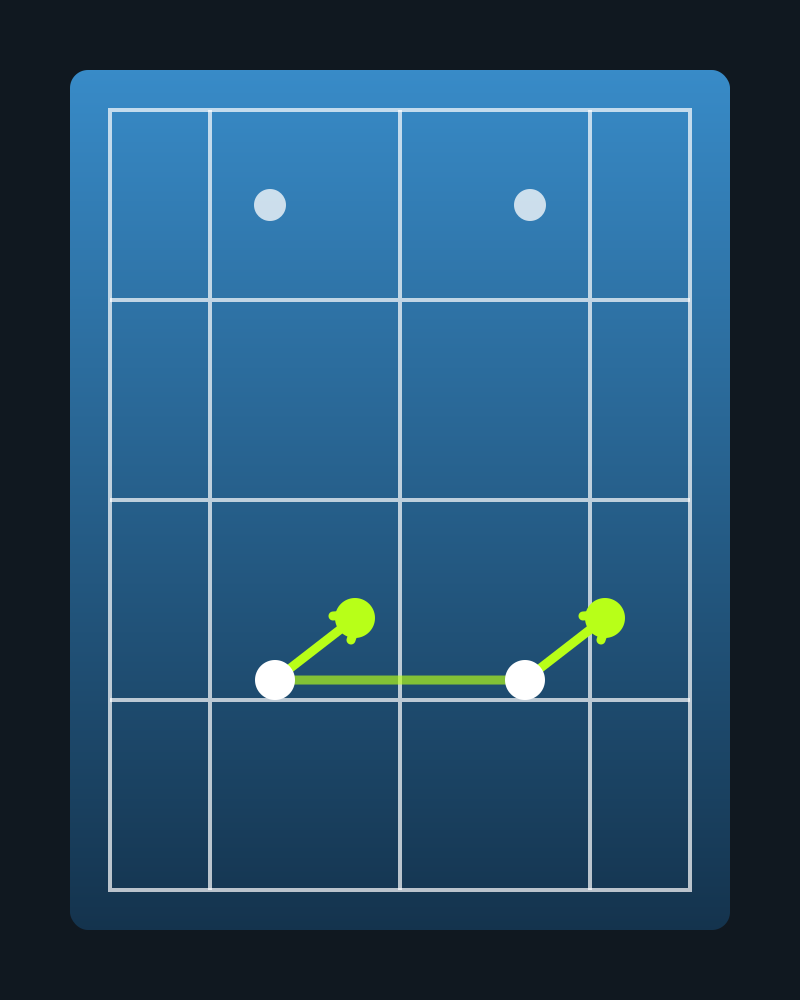
Partners move together, shifting laterally toward the ball and protecting the middle. The pair should respond like connected points on one line rather than two isolated players.
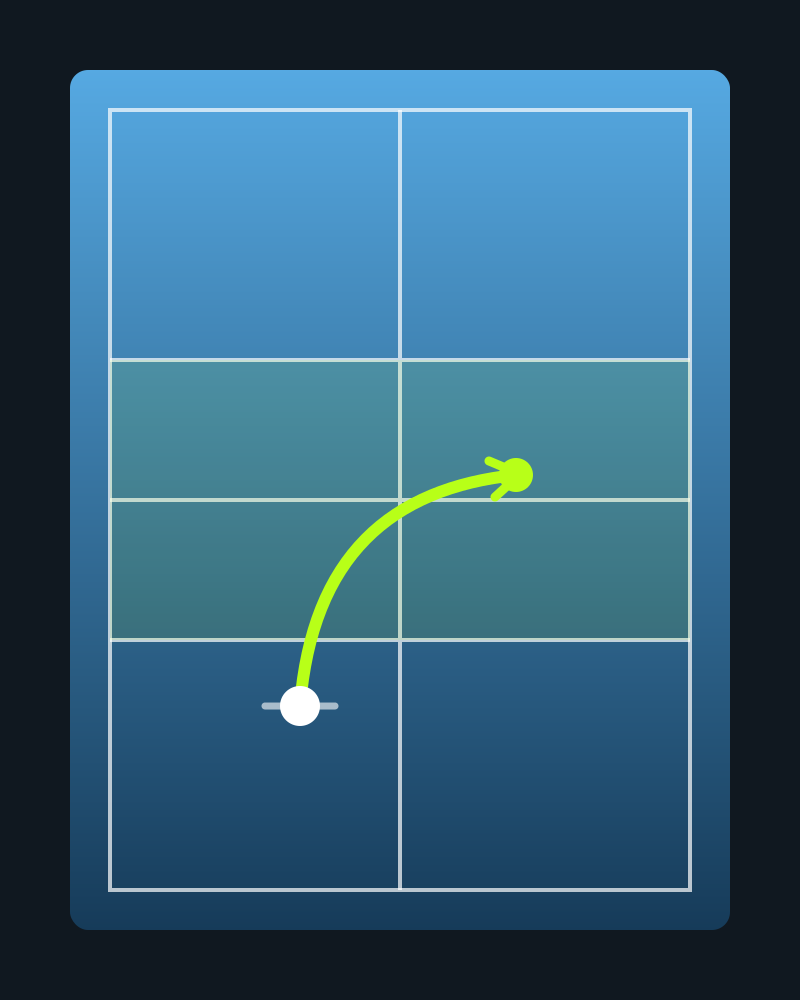
Use soft hands to absorb an incoming drive and return a low, non-attackable arc into the kitchen. A controlled reset creates time and helps both partners advance together.
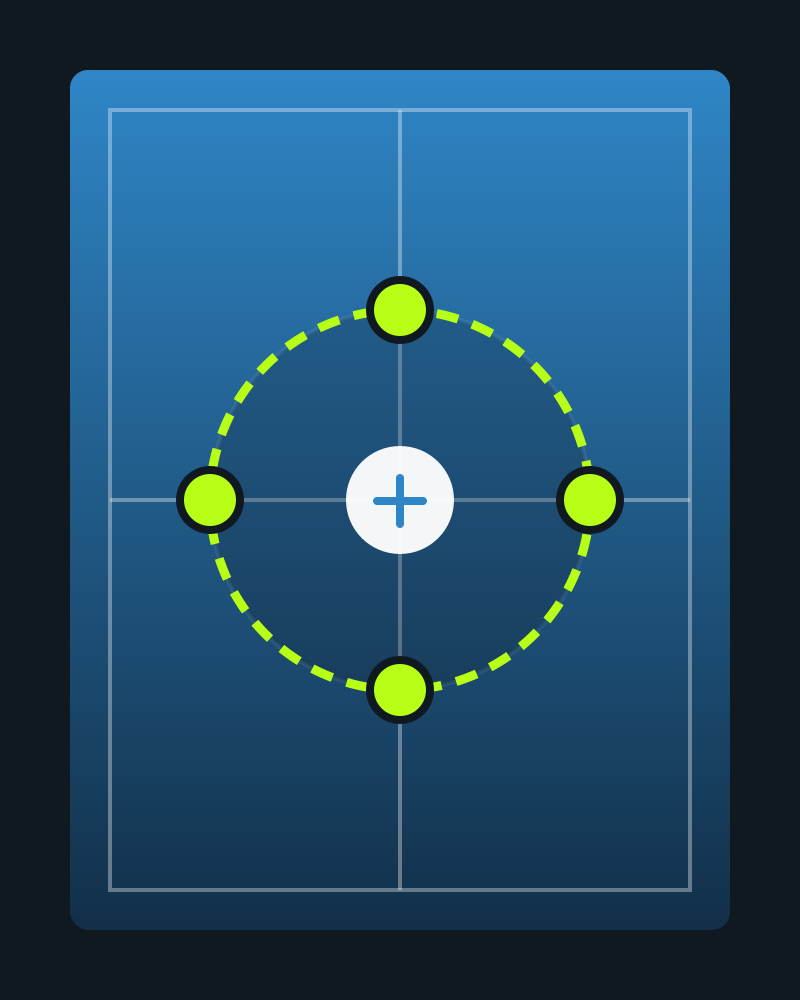
Explore kitchen resets →Use a repeatable four-part routine: breathe and release the last point, reset without judgment, decide on one clear pattern, then commit attention to the ball and opponent.